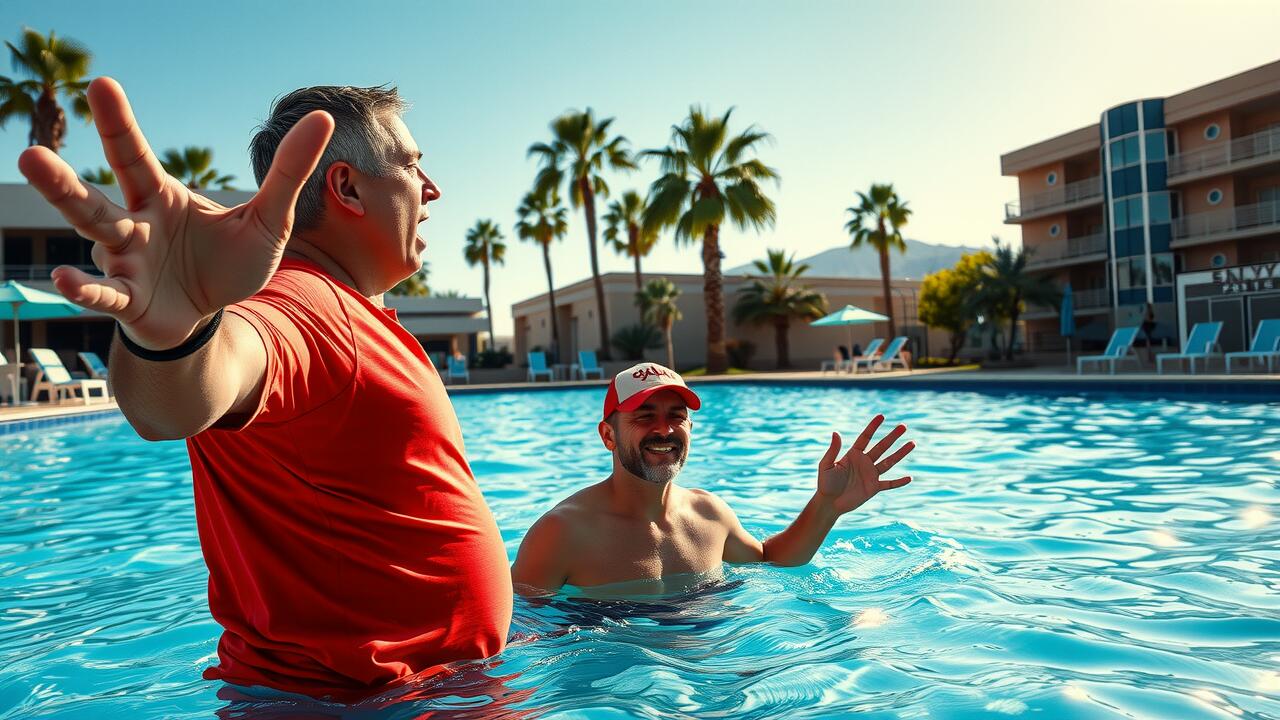
Key Takeaways
- Actions to undertake promptly following a pool submersion or near-submersion event in Nevada, including grasping the nature of such situations.
- Urgent measures to implement subsequent to a submersion event.
- Administering emergency care for near-submersion individuals.
- Subsequent measures and assistance following the event.
- Legal aspects to consider in Nevada.
Steps To Take Immediately After A Pool Drowning Or Near-Drowning Incident In Nevada | Understanding Drowning and Near-Drowning Situations
Understanding the distinctions between drowning and near-drowning situations is crucial in responding appropriately to incidents in swimming pools. Drowning refers to the process of experiencing respiratory impairment from submersion in water, leading to death or serious injury, while near-drowning indicates a survival scenario where the victim may initially appear unharmed but can suffer from complications like secondary drowning or dry drowning later on. The immediate steps to take after a pool drowning or near-drowning incident in Nevada involve quick assessment and critical actions to ensure the victim's safety. Recognizing the differences can aid in administering the right help efficiently, addressing both the physical and emotional impacts that arise when someone drowns or is at risk of drowning in a swimming pool.
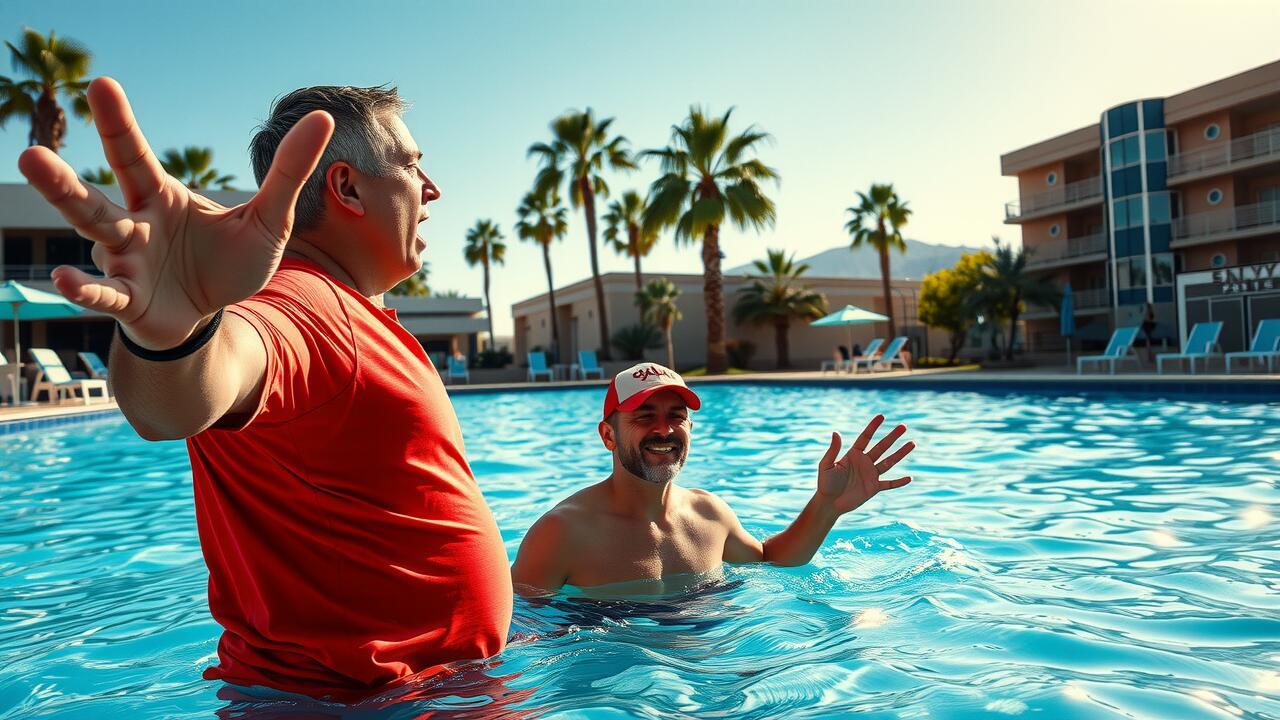
Steps to Take Immediately After a Pool Drowning or Near-Drowning Incident in Nevada | Distinction Between Drowning and Near-Drowning
Drowning and near-drowning incidents require a clear understanding of the distinctions between the two. Drowning typically results in death caused by suffocation in water, while near-drowning refers to survival after submersion, although the individual may experience severe health complications, including sudden cardiac arrest. Understanding these differences is vital for appropriate responses. The Steps to Take Immediately After a Pool Drowning or Near-Drowning Incident in Nevada include ensuring that bodies of water, such as public pools, have adequate safety measures. Emphasizing swimming lessons and promoting water safety, such as using swim caps and ensuring competent supervision, can help reduce the risk of such tragedies.
Quick identification and response to drowning events are critical. Swimmers at risk require immediate intervention, which can include rescue breathing techniques. Public pools must have staff trained in these lifesaving measures to assist in emergencies. The Steps to Take Immediately After a Pool Drowning or Near-Drowning Incident in Nevada may also involve understanding the legal implications, especially if wrongful death claims arise from negligence in supervision. A swift and knowledgeable response is essential, ensuring the victim receives the help they need while fostering a culture of safety within swimming environments.
Importance of Immediate Action
Immediate action is crucial in preventing severe outcomes following a pool drowning or near-drowning incident. The first few minutes are vital for a victim’s survival. Breathing difficulties can quickly lead to cardiac arrest, especially if water has entered the lungs. Lifeguards and bystanders must understand the essential steps to take immediately after a pool drowning or near-drowning incident in Nevada, to minimize hazards. Effective chest compressions can increase blood flow and potentially save a life.
Delay in response can lead to devastating consequences, including wrongful death and significant personal injury claims. Swift action reduces the likelihood of long-term health issues caused by oxygen deprivation. Knowing the steps to take immediately after a pool drowning or near-drowning incident in Nevada can be lifesaving. Each minute counts in ensuring the victim has the best chance of recovery. Promptly addressing the situation may greatly improve outcomes and help victims regain their quality of life.
Immediate Steps to Take After a Drowning Incident
Understanding the distinction between drowning and near-drowning is crucial in emergency situations. A near-drowning incident may leave a victim in need of immediate medical attention, even if death does not occur. The first step to take immediately after a pool drowning or near-drowning incident in Nevada is ensuring the victim's safety and addressing any visible injuries. Following this, calling emergency services becomes essential as they are equipped to handle such accidents effectively. Every second counts, as delayed action could lead to irreversible damages, including brain injury or death. Recognizing the signs of distress, such as difficulty breathing or unconsciousness, is vital to responding appropriately and minimizing the risks associated with these tragic incidents. The steps to take immediately after a pool drowning or near-drowning incident in Nevada can significantly impact the outcome for the victim, emphasizing the importance of swift action.
Ensuring Safety of the Victim
Ensuring the safety of the victim is paramount in the aftermath of a drowning incident. Taking immediate action can be vital in preventing further harm. In the context of Steps to Take Immediately After a Pool Drowning or Near-Drowning Incident in Nevada, individuals must first assess the scene for any ongoing drowning hazards. Ensuring that the environment is secure can help prevent accidental drownings from occurring again. Swiftly removing any potential threats could turn the tide against the tragic drowning incident.
Focusing on the victim's condition is crucial following a drowning accident. It is essential to check for responsiveness and breathing. A drowning victim may require immediate assistance to revive them. These steps are part of a broader strategy aimed at reducing the drowning rate, which highlights the critical need for awareness and education. Understanding the dangers of drowning and taking proactive measures can help prevent preventable drowning accidents in the future, ultimately breaking the drowning chain that leads to such devastating outcomes.
Calling Emergency Services
迅速拨打紧急服务电话是应对游泳池溺水或近溺水事件的关键一步。此步骤是“在内华达州游泳池溺水或近溺水事件后立即采取的步骤”的重要组成部分。及时报告溺水事件可以帮助专业急救人员迅速抵达现场,特别是对于普通溺水受害者和非致命溺水受害者。快速反应在游泳池事故中至关重要,因为每一秒都可能影响结果,尤其是在游泳池事故可能导致的致命溺水和池塘意外所伴随的风险中。
紧急服务人员的到来能提供专业的医疗救助和必要的支持。他们能够评估溺水事件的严重性,从而决定是否需进行现场急救或尽快将受害者送往医院。通过及时拨打紧急电话,家庭成员和目击者能够为可能的游泳池死亡和其他相关池死亡提供必要的信息。这些信息在处理溺水事件和确保所有池事故场景的安全中非常重要,确保救治措施能够立即得以实施。
Providing First Aid for Near-Drowning Victims
Understanding the immediate steps to take can significantly impact the outcome for a victim of a near-drowning incident. Quick action is crucial following the Steps to Take Immediately After a Pool Drowning or Near-Drowning Incident in Nevada to ensure the best chance of recovery for the drowned person. First, assess the environment for safety to prevent further swimming pool injury. If the person is unresponsive but breathing, monitoring their condition is essential. In cases where the victim is not breathing, initiating CPR must be prioritized as part of the first aid response to address serious pool injuries. These preliminary actions can be vital not only for the individual’s recovery but also for potential pool injury claims in future pool accident cases. Understanding how to properly respond to pool-related injuries can help mitigate the long-term impact on both victims and their families.
Initiating CPR
Immediate initiation of CPR is critical following a drowning or near-drowning incident. Familiarity with the Steps to Take Immediately After a Pool Drowning or Near-Drowning Incident in Nevada can save lives. In public swimming pools and residential swimming pools, unresponsive individuals may require urgent in-water rescue breathing. Proper training in pool safety ensures that bystanders can act quickly, especially in swimming areas prone to unsafe pool conditions, where swimming failures can quickly lead to severe consequences.
Performing CPR involves a series of deliberate actions aimed at restoring breathing and circulation. If a victim is unresponsive and not breathing, begin the process of chest compressions and rescue breaths. Understanding the specific steps is vital for pool management and any attendees during a pool accident. Engaging a pool accident lawyer may also be necessary if negligence contributed to unsafe conditions. Every second counts in a drowning incident, emphasizing the importance of knowing these critical actions in the pool area.
- Ensure the area is safe before approaching the victim.
- Check for responsiveness by gently shaking the person and shouting.
- Call 911 or shout for help if the individual is unresponsive.
- Start chest compressions at a rate of 100-120 per minute.
- Administer rescue breaths after every 30 compressions (if trained).
- Use an automated external defibrillator (AED) if available and follow the prompts.
- Continue CPR until emergency services arrive or the individual shows signs of life.
Monitoring Breathing and Responsiveness
Assessing the victim's breathing and responsiveness is crucial in the aftermath of a drowning or near-drowning incident. After ensuring the safety of the surroundings, examine whether the individual shows any signs of breathing, such as chest movements or audible breaths. If the victim is unresponsive and not breathing, immediate actions must be taken. This includes checking the pool floor for submerged objects or identifying any slippery pool areas that could complicate the rescue. These steps are vital in the initial response outlined in the Steps to Take Immediately After a Pool Drowning or Near-Drowning Incident in Nevada.
If the victim is breathing but unresponsive, it’s essential to carefully monitor their condition until emergency services arrive. Place the individual in a recovery position to keep the airway clear, especially in private pool settings where quick access to medical facilities might be limited. Engaging a pool injury lawyer could be beneficial if there are potential liability issues to address following the incident. Being equipped with knowledge about pool safety features enhances preparedness for any unfortunate events related to pool activities, ensuring proper support for both the victim and their family as they navigate this distressing situation.
Post-Incident Actions and Support
After a pool drowning or near-drowning incident, the importance of understanding the next steps cannot be overstated. Familiarity with common pool mishaps can aid in making informed decisions. Should an individual be trapped underwater, rescuers should immediately begin CPR to combat the effects of water inhalation. Practicing water safety is crucial not only for seasoned swimmers but also for those supervising hotel pool parties, as potential water hazards can arise unexpectedly. Ensuring that pool drains are safe and adhering to water-rescue techniques can mitigate future incidents. Seeking medical attention is essential, as even near-drowning situations can lead to serious health issues. By recognizing these vital steps to take immediately after a pool drowning or near-drowning incident in Nevada, families can better navigate the aftermath and provide necessary support for victims.

Seeking Medical Attention
Immediate medical attention is critical after any pool drowning or near-drowning incident, particularly in public pool settings or during family pool parties. Injuries may not always be apparent, especially if the accident occurs in shallow water or in a more challenging environment like an open water area or a hotel/motel pool. Pool owners and any witnesses should ensure that the victim receives a thorough medical evaluation, as complications from drowning can arise later.
Promptly contacting a medical professional is essential, even if the individual seems stable after the incident. Water safety should always be a priority, as pool toys and other distractions can increase the risk of accidents. Engaging a pool lawyer may also be a prudent step for families who need to address potential liability issues with pool contractors or other parties involved. Understanding the Steps to Take Immediately After a Pool Drowning or Near-Drowning Incident in Nevada will help ensure that the victim receives the necessary care and that families know their rights and responsibilities.
Psychological Support for Victims and Families
Experiencing a drowning or near-drowning incident can leave lasting emotional scars for both victims and their families. Understanding the importance of psychological support is essential. Private pool owners and public pool owners should be prepared to provide resources for counseling. This can help those affected process the trauma associated with such accidents. Addressing feelings of fear, anxiety, or guilt is crucial, especially for children who may associate pool toys and equipment with distress.
Families may also benefit from community support groups that address water safety education. Simple water safety measures can be discussed, helping families cope and preventing future incidents. Encouraging open dialogue about the feelings surrounding the experience can aid victims in their recovery journey. Steps to Take Immediately After a Pool Drowning or Near-Drowning Incident in Nevada should include not just medical attention but also connecting families with mental health professionals who specialize in trauma recovery.
Legal Considerations in Nevada
Navigating the legal landscape following unfortunate events like a pool drowning or near-drowning incident in Nevada involves understanding specific responsibilities for both private and commercial pool owners. Aquatic programs and centers must adhere to strict safety regulations to prevent unintentional injury deaths related to water submersion. This includes ensuring that pool furniture is securely placed to avoid obstruction of rescue efforts. Excellent swimmers and inexperienced individuals alike require proper supervision to mitigate risks. After a drowning incident, certain steps need to be taken, including reporting the situation to local authorities, especially in community pools where liability may be shared among many parties. Understanding these legal considerations is crucial for safeguarding both victims and the interests of those operating aquatic facilities.
- Familiarize yourself with Nevada’s specific pool safety regulations and guidelines.
- Ensure that appropriate signage regarding pool rules and safety measures is visibly posted.
- Keep rescue equipment readily accessible and well-maintained at all times.
- Train staff in CPR and first-aid techniques, as well as pool emergency procedures.
- Establish a clear protocol for reporting and documenting incidents promptly.
- Review insurance coverage to ensure adequate protection against liability claims.
- Encourage regular safety drills to ensure preparedness in case of an emergency.
Understanding Liability and Reporting Requirements
Legal liability in drowning or near-drowning incidents often hinges on the precautions taken by individuals responsible for the safety of the pool area. If proper safety measures were not implemented, such as barriers or supervision, rescuers may face liability for any resulting injuries or fatalities. Understanding the liability framework is crucial for families of victims and those who provide supervision in pool settings. The steps to take immediately after a pool drowning or near-drowning incident in Nevada may also include reporting the incident to local authorities, as specified by state laws concerning drowning incidents.
Reporting requirements can vary based on the circumstances surrounding the incident. If the incident occurred at a public facility, immediate reporting to the management and authorities is necessary. Victims may require rescue breaths and chest compressions, making the role of rescuers critical in improving the chances of survival. It is essential for pool owners or supervisors to have a clear understanding of their legal obligations to mitigate risks and ensure a safe environment. These steps are vital for compliance and for supporting the well-being of everyone involved in the incident.
Conclusion
Understanding the distinction between drowning and near-drowning is crucial in emergencies. The immediacy of the situation can mean the difference between life and death within minutes or even seconds. Knowing the appropriate steps to take immediately after a pool drowning or near-drowning incident in Nevada is essential for minimizing damages and preventing further injuries. Swift action culminates in contacting emergency services and ensuring the victim’s safety, which is vital for optimal outcomes. Awareness of these critical procedures not only aids in addressing the immediate crisis but also sets the stage for necessary medical attention and long-term support post-incident.
FAQS
What should I do immediately after witnessing a drowning or near-drowning incident?
The first step is to ensure the safety of both the victim and yourself. If it is safe, remove the person from the water, and then call emergency services at 911.
How can I differentiate between drowning and near-drowning?
Drowning refers to a situation where a person has suffocated in water, resulting in death, whereas near-drowning refers to a survival situation where the individual has been submerged but is still alive, potentially suffering from water inhalation.
What are the signs that a person may need CPR after a near-drowning incident?
Signs that someone may need CPR include unresponsiveness, lack of breathing, or abnormal breathing patterns. If the person is unconscious and not breathing, begin CPR immediately.
Is it necessary to seek medical attention after a near-drowning incident, even if the victim seems fine?
Yes, it is important to seek medical attention even if the victim appears fine. Some complications, such as water in the lungs or other delayed symptoms, can arise after the incident.
What are the legal considerations to keep in mind after a drowning incident in Nevada?
In Nevada, it’s essential to report the incident to local authorities, especially if it results in death or serious injury. Understanding liability and potential legal implications is crucial, so consulting with a legal professional may also be advisable.
What steps should be taken to ensure water safety and prevent drowning incidents at swimming pools and other aquatic centers in Nevada?
To prevent drowning incidents, especially in designated swimming areas like neighborhood pools and commercial pool facilities, it is crucial to practice water safety by supervising all swimming activities and ensuring proper use of pool equipment. In case a near-drowning occurs, rapid rescue is essential, and knowing how to respond can save lives. Common drowning victims are often unable to signal for help, which makes awareness important. Engaging in formal swimming lessons can significantly reduce the risk of drowning deaths and non-fatal drowning victims in pool accident scenarios. Additionally, understanding possible water hazards, such as falls around pool water, can prevent pool accident injuries and facilitate effective responses to drowning episodes.
What should I do immediately after a near drowning incident occurs at a swimming pool or aquatic center in Nevada?
After a near drowning at a swimming pool or aquatic center in Nevada, it is crucial to assess the situation quickly. First, ensure that the area is safe and that there are no ongoing risks, such as other pool accidents. Then, check the person who nearly drowned for responsiveness and breathing. If they are unresponsive or not breathing, call 911 and start CPR immediately, as this action can be crucial for cardiac arrest victims. It's also important to provide fresh clean water afterward to the victim for hydration. Engaging with pool accident attorneys may be necessary if the incident involved negligence or a swimming pool accident at a commercial pool facility. Remember, prevention drowning measures, such as proper lifeguarding and safety equipment, are essential to avoid fatal drownings in the future.
How can diving and boating activities contribute to the risk of a person drowning, and what is crucial for water safety to prevent pool deaths and pool injury cases in Nevada?
Engaging in activities like diving and boating can increase the risk of a person drowning if proper precautions are not taken. It is essential to prioritize water safety, ensure individuals are trained to manage emergencies, and maintain a vigilant presence at aquatic centers. In the event of a swimming accident, having access to a skilled swimming accident lawyer can be vital for addressing potential legal issues related to pool injuries or fatalities, particularly in cases where a person drowns, highlighting the importance of safety measures in and around water environments, including lakes and pools.
What measures can be implemented to enhance water safety and reduce the risk of pool deaths and pool injury cases after a drowning incident in Nevada?
After a drowning incident, it is crucial to implement measures that enhance water safety, such as educating bystanders on CPR and first aid, ensuring proper supervision around pools and lakes, and creating clear rescue protocols to reduce the likelihood of pool deaths and pool injury cases. Additionally, practicing proper techniques for breath underwater can help individuals feel more secure while engaging in aquatic activities.
What are the crucial steps to ensure water safety at lakes and prevent drowning incidents during recreational activities in Nevada?
To enhance water safety at lakes and minimize the risk of drowning, it is important to implement measures such as designated swimming areas, monitoring lifeguards, and educating the public about safe swimming practices. Using flotation devices and ensuring that individuals are aware of their swimming abilities are also key steps to prevent drowning incidents.
How can I ensure water safety while enjoying recreational activities at lakes in Nevada?
To ensure water safety at lakes in Nevada, always supervise children, wear life jackets, stay informed about weather conditions, and be aware of your swimming abilities. Additionally, understanding the specific dangers associated with the lake environment can help prevent accidents and promote overall water safety.
What are the best practices for maintaining water safety while participating in recreational activities at a lake in Nevada?
To ensure water safety while enjoying recreational activities at a lake in Nevada, it is important to follow guidelines such as wearing life jackets, supervising children closely, being aware of local weather conditions, and educating yourself about the specific dangers of the lake, such as currents and wildlife. Understanding these measures helps to minimize risks and maintain a safe environment for all participants.
How can I maintain lake water safety while participating in recreational activities in Nevada?
To ensure lake water safety during recreational activities in Nevada, it's important to adhere to guidelines such as swimming in designated areas, using life jackets, and closely supervising children. Additionally, being aware of local weather conditions and potential hazards can help prevent accidents and promote a safer environment for all participants enjoying the lake.
What actions can be taken to improve lake water safety when engaging in recreational activities in Nevada?
To enhance lake water safety while engaging in recreational activities in Nevada, it is vital to follow specific guidelines that include wearing life jackets, supervising children closely, being aware of water conditions, and avoiding alcohol consumption. Additionally, educating participants about the importance of water safety and providing safety equipment can significantly reduce risks associated with water activities at lakes.
What are some essential considerations for ensuring lake water safety during recreational activities in Nevada?
To ensure lake water safety while participating in recreational activities in Nevada, it's important to follow guidelines such as wearing life jackets, being aware of the weather conditions, and ensuring that all participants are aware of safety rules. Additionally, swimming in designated areas and keeping an eye on children can significantly reduce the risk of accidents and promote a safe environment during your time at the lake.