Factors Influencing a Lawsuit
The likelihood of facing a lawsuit following an injury in a pool depends largely on the circumstances surrounding the incident. Factors such as the age of the injured party and the behavior leading up to the injury play a crucial role. If a minor is involved, parents may seek compensation based on the pool owner's responsibility to provide a safe environment. Additionally, whether the injured party was trespassing or engaging in risky behavior can impact the case significantly.
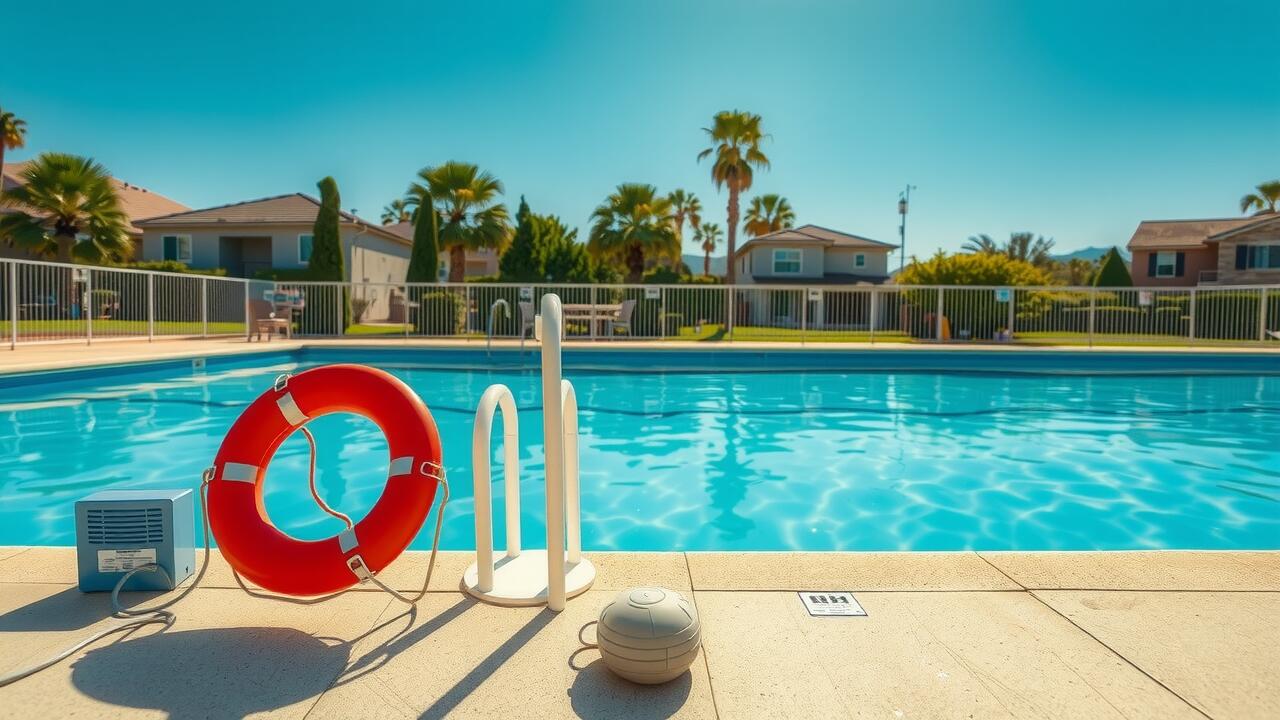
The design and maintenance of the pool also come under scrutiny. A pool that does not meet safety codes or has visible hazards may increase the owner’s liability. Evidence of inadequate fencing, missing safety equipment, or negligence in regular maintenance can strengthen the injured party's claim. Moreover, the actions of the pool owner before and after the incident significantly influence potential legal outcomes. If the owner took steps to provide safety measures, this may serve as a defense against allegations of negligence.
Key Elements that Determine Negligence in Pool Cases
Negligence in pool injury cases fundamentally revolves around a few key elements. First, there must be a duty of care owed by the pool owner to the injured party. This duty generally entails maintaining the pool in a safe condition and providing adequate supervision, especially when minors are involved. If the owner fails to uphold this responsibility, they may be found negligent.
Another crucial element is proving that the breach of duty directly caused the injury. This involves demonstrating that the owner's actions or inactions led to an unsafe situation, which ultimately resulted in harm. Evidence such as maintenance records, witness testimonies, and photographs can support claims of negligence. Ultimately, these factors combined help establish liability in incidents related to pool injuries.
Defenses Against Pool Injury Claims
Pool owners can raise several defenses when faced with injury claims. One common argument is the assumption of risk, which asserts that guests willingly accepted potential dangers by using the pool. This can be particularly relevant if clear warnings or signage were present to inform users of any hazards. Additionally, the lack of negligence on the part of the owner can be a strong defense. If the owner maintained the pool properly and adhered to safety standards, they may argue that the injury resulted from factors beyond their control.
Another potential defense involves the behavior of the injured party. If the individual acted irresponsibly or violated pool rules, it could weaken their claim significantly. For instance, diving in shallow water or engaging in horseplay may show a lack of caution. Contributory negligence could play a role as well; if the injured party's actions contributed to their injury, the pool owner may not be held fully liable. These defenses can be crucial in demonstrating that the pool owner should not be held responsible for every accident that occurs on their property.
Common Legal Defenses Used by Pool Owners
Pool owners can rely on several common legal defenses when facing injury claims. One of the most frequently invoked is the assumption of risk, which posits that individuals who voluntarily engage in activities associated with swimming pools are aware of the inherent dangers. This defense can be particularly effective if the injured party signed a waiver or was otherwise informed of potential risks before using the pool.
Another defense often utilized is comparative negligence, which assesses the degree of fault attributable to both the pool owner and the injured party. If it is determined that the plaintiff contributed to their own injury, the amount they can recover may be reduced accordingly. This can shift part of the liability to the injured individual, especially in cases where pool safety rules were ignored or unsafe behavior was exhibited.
State Laws Related to Pool Liability
Laws regarding pool liability vary significantly from state to state. Some states enforce strict liability rules, which hold property owners accountable for injuries regardless of negligence. Other states may adopt comparative fault principles, where the victim's actions play a role in determining compensation. Additionally, certain jurisdictions have specific requirements for fencing, signage, and safety measures that pool owners must adhere to, influencing their potential liability in case of an injury.
State-level regulations also dictate the legal responsibilities of pool owners concerning guests and trespassers. In many regions, property owners owe a higher duty of care to invited guests compared to trespassers. This distinction can impact the outcome of a lawsuit, especially in recreational or residential settings. Understanding these variations is crucial for pool owners to mitigate their risk and ensure compliance with local laws, helping to uphold safety standards and limit exposure to lawsuits.
Variations in Liability Laws Across Different States
The laws governing liability for pool injuries differ significantly from one state to another. Some jurisdictions impose strict liability on property owners, holding them accountable for injuries regardless of negligence. Other states may require proof of negligence or failure to maintain safety standards, which can complicate claims. Variations can also extend to the classification of individuals who enter the property, differentiating between invitees, licensees, and trespassers.
In addition to these foundational differences, some states may have specific statutes that provide additional protections or impose limitations on claims. For instance, certain states might offer immunity to homeowners who allow friends and family to use their pools without charging a fee. Others may have established caps on damages that can be awarded in liability cases, impacting the potential recovery for injured parties. Understanding these nuances is crucial for both pool owners and potential plaintiffs navigating the legal landscape surrounding pool injuries.
FAQS
Can someone sue me if they get injured while using my pool?
Yes, individuals can sue if they are injured in your pool, particularly if they believe negligence on your part contributed to their injury.
What factors are considered when determining negligence in pool injury cases?
Key factors include whether proper safety measures were in place, the condition of the pool, the actions of the injured party, and whether the pool owner was aware of any hazards.
What defenses can I use if someone sues me for an injury that occurred in my pool?
Common defenses include asserting that the injured party was trespassing, that they were aware of the risks, or that they were responsible for their own injuries due to reckless behavior.
How do state laws affect liability for pool injuries?
Liability laws vary by state, affecting the extent of your responsibility as a pool owner and the legal standards for proving negligence or fault.
Are there specific legal requirements I need to meet as a pool owner to reduce my liability?
Yes, pool owners should follow local safety regulations, maintain the pool properly, and provide adequate warnings of potential dangers to minimize liability.